That New Memory Foam Smell: What It Is and How to Air It Out
You open the box and there it is: that "new foam" smell. Here's what it is, what to do, and what the labels on the box really tell you.
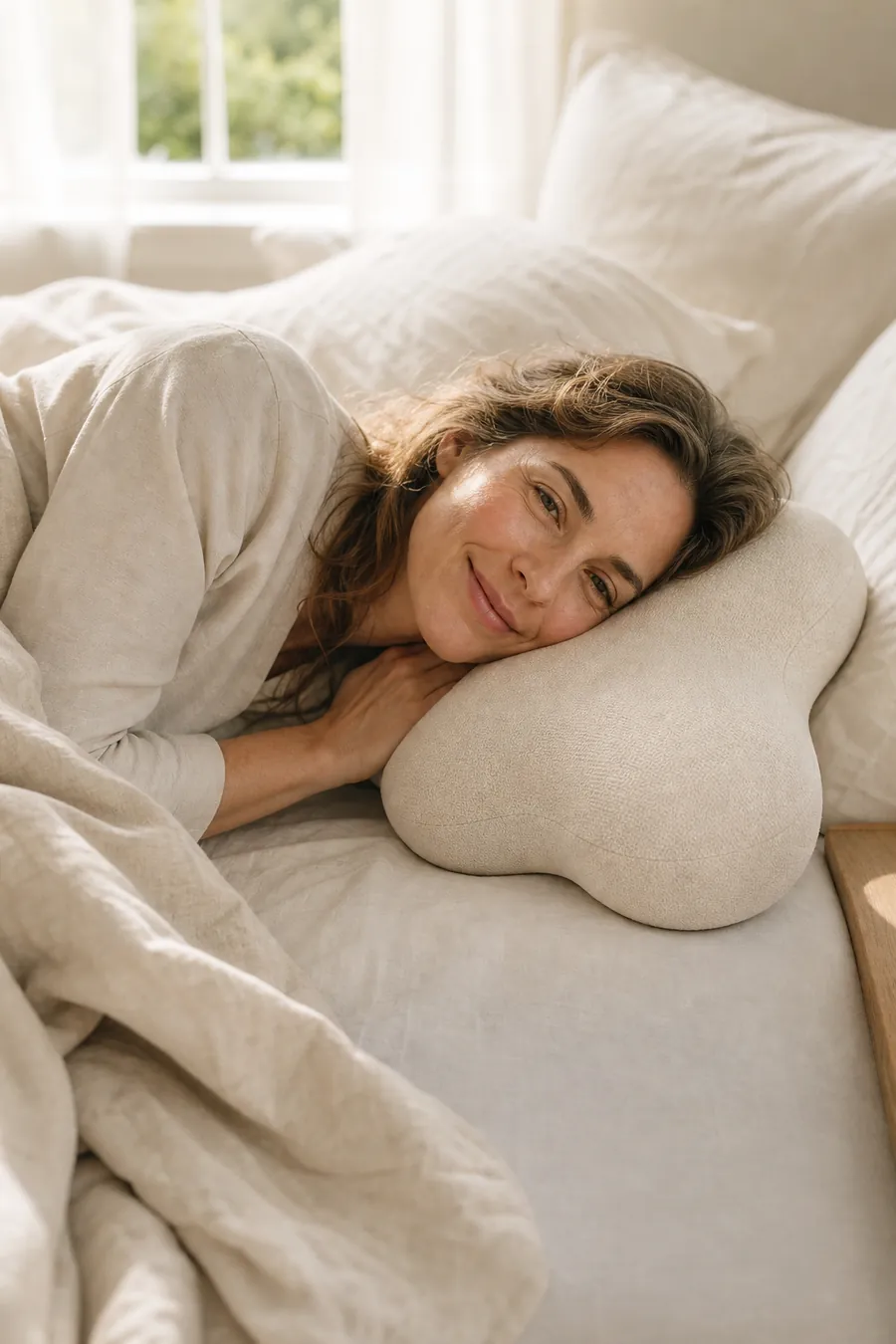
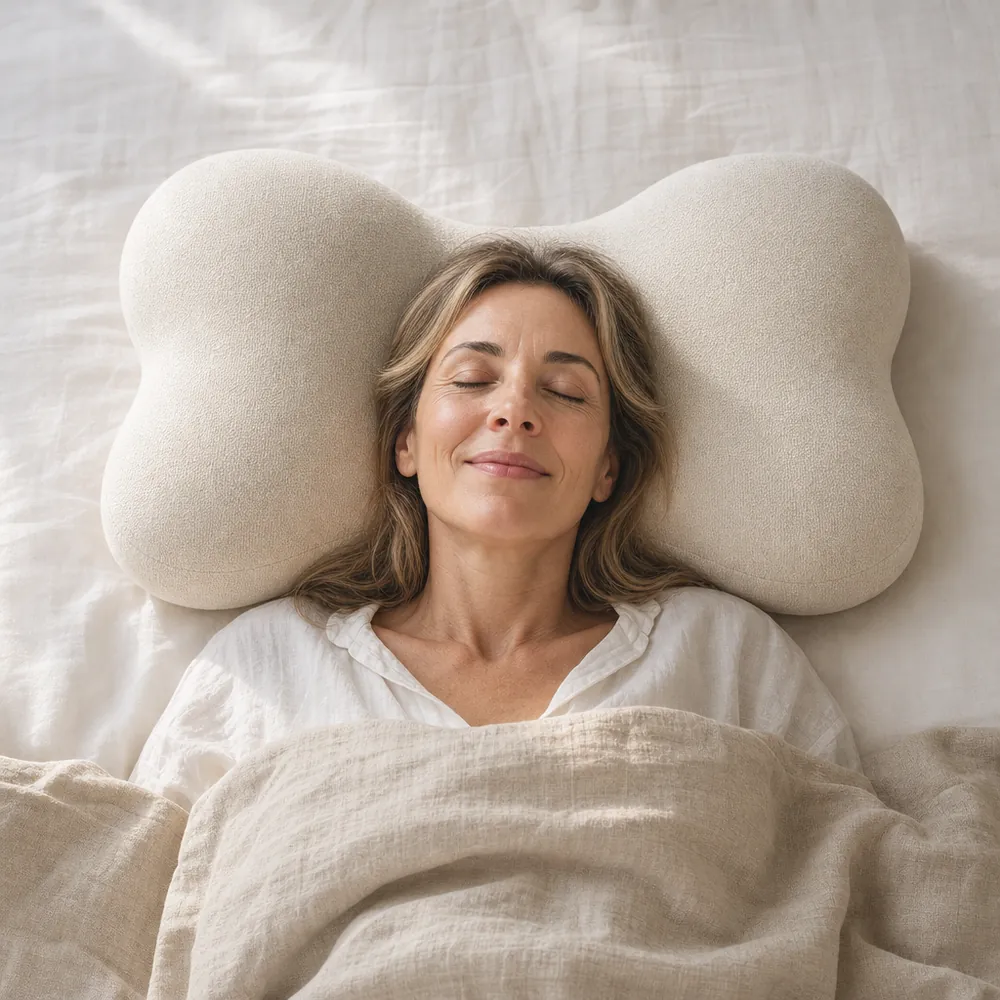
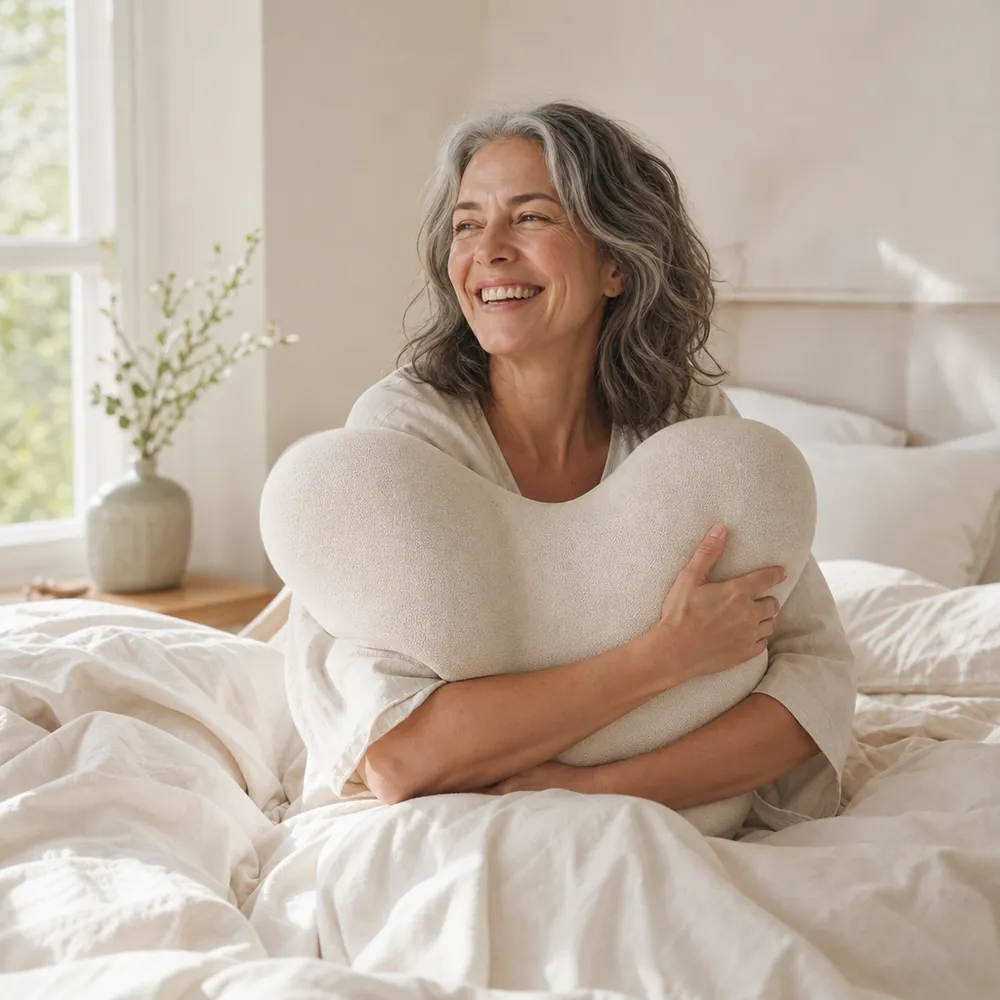 AI image of the planned design
- The smell comes from gases released by the new material, part of a family of chemicals called VOCs.
- Unpack it right away and give it fresh air: the EPA's first tip for products that emit VOCs is to increase ventilation.
- Labels like CertiPUR-US (foam) and OEKO-TEX (fabric) have specific, checkable meanings. Learn them, and ask brands for proof.
What is that smell?
New foams, like many new products, release gases into the air for a while. Many of these belong to a family called volatile organic compounds, or VOCs. According to the U.S. Environmental Protection Agency, VOCs "are emitted as gases from certain solids or liquids", and they come from a wide range of everyday products, including building materials and furnishings (EPA).
The EPA also points out that indoor air often has more of them than outdoor air: "studies have found that levels of several organics average 2 to 5 times higher indoors than outdoors" (EPA). On health effects, the agency is careful: VOCs "include a variety of chemicals, some of which may have short- and long-term adverse health effects", but "at present, not much is known about what health effects occur from the levels of organics usually found in homes" (EPA). That's why we won't scare you, or reassure you, beyond what the evidence says.
How long does it last?
Honestly: it depends on the foam, the cover, the room and how much fresh air it gets. We looked for a reliable, independent figure and didn't find one, only brand estimates. So we're not going to make one up. When Rizzen tests its samples, we'll write down what we notice on each one, smell included, and publish it.
How to air out a new pillow
- Take it out of the packaging right away. Sealed plastic keeps the gases in.
- Give it fresh air. Put it in a room with an open window or good airflow for a while before you sleep on it. The EPA's first step to reduce VOC exposure is to "increase ventilation when using products that emit VOCs" (EPA).
- Keep the room ventilated for the first nights if you still notice the smell.
- Follow the care label. Memory foam generally "should not be placed in a washing machine or dryer" (Sleep Foundation), so don't try to wash the smell out.
What the labels actually mean
CertiPUR-US (for the foam)
CertiPUR-US is a certification program for foam, run by a nonprofit organization. According to the program, certified foams are (CertiPUR-US):
- Made without formaldehyde
- Made without ozone depleters
- Made without phthalates regulated by the U.S. Consumer Product Safety Commission
- Made without mercury, lead and other heavy metals
- Low in VOC emissions for indoor air quality: less than 0.5 parts per million
- Screened for relevant chemicals, including flame retardants, classified as carcinogens, mutagens or reproductive toxins
Note that it's about the foam, not every part of the finished product.
OEKO-TEX STANDARD 100 (for the fabric)
For textiles, such as a pillow cover, OEKO-TEX STANDARD 100 is a label for items tested for harmful substances. You can check the details and look up certificates on the official OEKO-TEX website.
How to check a claim
- Ask the brand which part is certified (foam, cover, or both) and for the certificate or license number.
- Be wary of vague wording like "made with certified materials" without saying which.
- Look it up on the certifier's own website when it offers a search.
Sources
This article is general information about comfort and sleep habits, not medical advice. If you have ongoing neck, shoulder or back pain, talk to a doctor or a physical therapist. Rizzen is a comfort product, not a medical device.